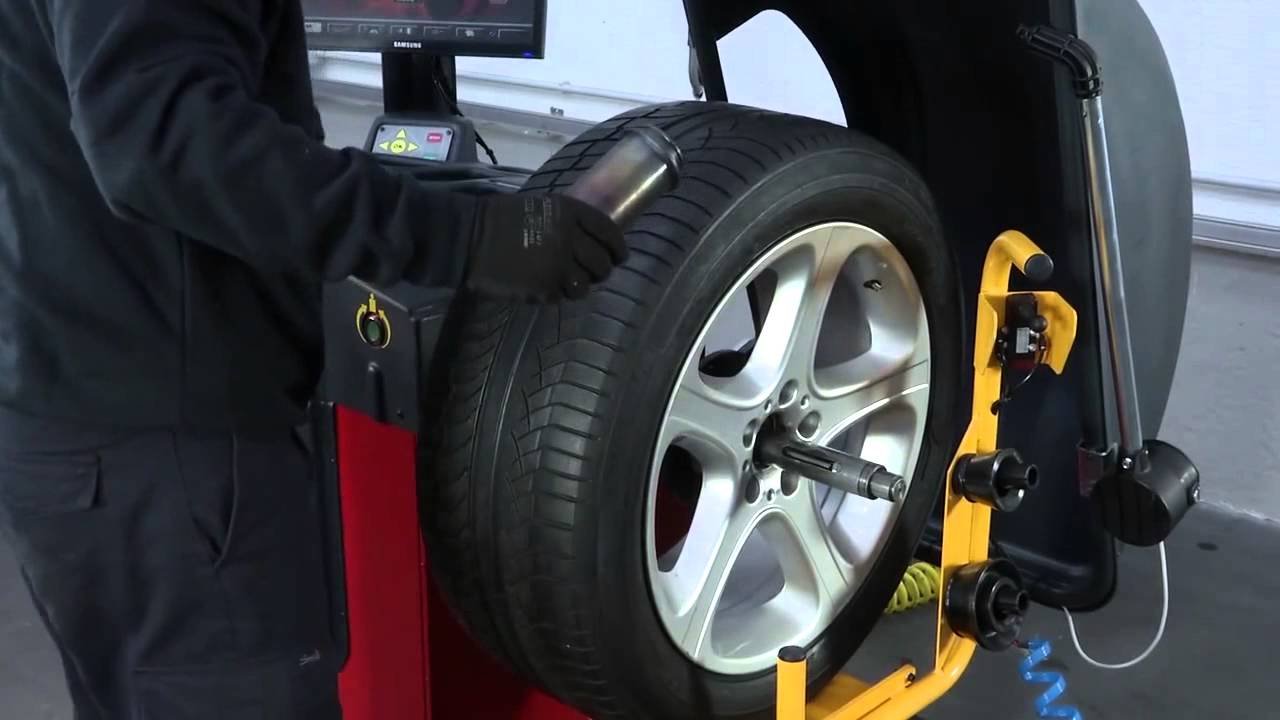

Article Highlights
- A quality car tyre balancer is one of the most important investments an auto garage can make for long-term service efficiency and customer satisfaction.
- There are three main types of tyre balancers available: static, dynamic, and road force balancers, each suited to different garage needs.
- Top brands like Hunter, Snap-on, Corghi, Hofmann, and Cemb consistently lead the market in performance and reliability.
- Key features to evaluate include spindle speed, weight measurement accuracy, rim diameter range, and ease of calibration.
- Buying the right car tyre balancer can reduce tyre wear complaints, improve vehicle handling, and increase repeat customer visits to your garage.
Why Every Serious Auto Garage Needs a Reliable Car Tyre Balancer
If you have spent any time running or working in an auto garage, you already know how often customers come in complaining about steering vibration or uneven tyre wear. In most cases, the issue traces back to wheel imbalance. A properly calibrated car tyre balancer is not just a convenience for a professional workshop. It is a fundamental piece of equipment that directly affects the quality of your work and the trust your customers place in your garage.
- Why Every Serious Auto Garage Needs a Reliable Car Tyre Balancer
- Understanding the Types of Car Tyre Balancers
- Top-Rated Car Tyre Balancer Brands in the Industry
- Key Features to Look for in a Car Tyre Balancer
- Budget Considerations for Auto Garages
- Maintenance and Longevity of Tyre Balancing Equipment
- Choosing the Right Car Tyre Balancer for Your Garage
Over the years, working closely with workshop owners and technicians, I have seen firsthand what a difference the right balancing machine makes. A garage that invests in a dependable car tyre balancer handles more vehicles per day, generates fewer callbacks, and builds a stronger reputation in the local area. On the other hand, workshops using outdated or poorly maintained machines often struggle with recurring complaints and wasted labour time.
This article walks you through the best car tyre balancer options available today for professional auto garages, covering what each machine offers, who it suits best, and what to look for before making a purchase.
Understanding the Types of Car Tyre Balancers
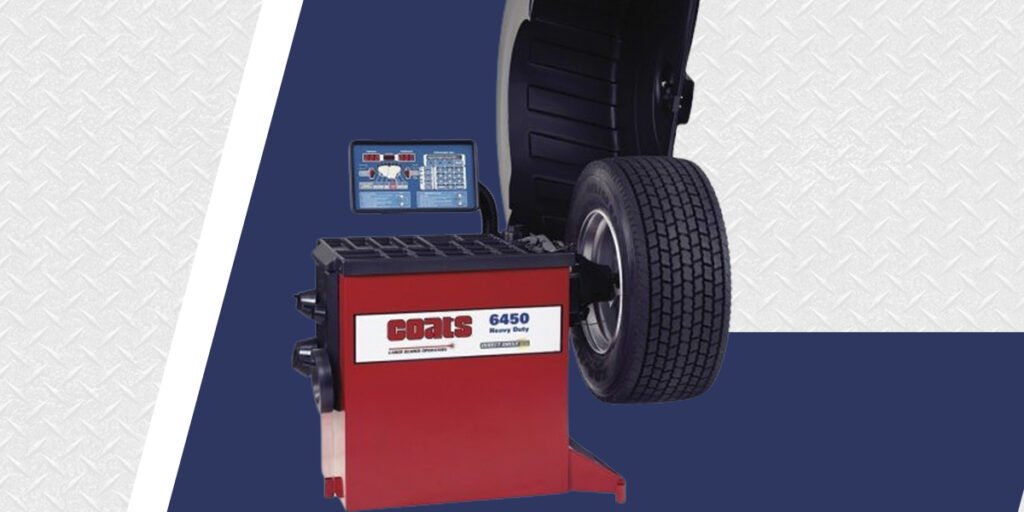
Before jumping into specific models and brands, it helps to understand the three main categories of tyre balancing machines on the market.
Static Balancers are the most basic type. They detect imbalance in a single plane, which means they are better suited for narrow tyres like motorcycles and light equipment. For standard car tyres, static balancing alone is rarely sufficient.
Dynamic Balancers are the industry standard for passenger vehicles and light trucks. They measure imbalance in two planes simultaneously, giving you a much more accurate reading. The vast majority of professional auto garages rely on dynamic balancers for daily use.
Road Force Balancers are the most advanced type available. They simulate the force a tyre experiences while rolling under the weight of a vehicle. This helps identify issues that standard dynamic balancing cannot detect, such as tyre uniformity problems and stiff spots within the tyre itself. These machines are ideal for high-end vehicle servicing and performance workshops.
Understanding which type fits your workflow is the first step toward making a smart purchase.
Top-Rated Car Tyre Balancer Brands in the Industry

Hunter Engineering
Hunter is widely regarded as one of the most trusted names in wheel service equipment. Their Road Force Elite balancer is a flagship product that many premium workshops swear by. It uses patented road force measurement technology and integrates with Hunter’s alignment systems for a seamless workflow. The machine features a touchscreen interface, automatic weight placement indicators, and fast cycle times that keep your bay moving efficiently.
What stands out about Hunter is the build quality. The machines are built to handle continuous daily use in busy garages without frequent breakdowns or recalibration issues. The initial investment is on the higher side, but for a garage doing significant volume, the return on that investment becomes clear within the first year.
Snap-on Equipment
Snap-on produces a range of car tyre balancer machines that combine user-friendly design with professional accuracy. Their WB Series balancers are popular among independent garages and dealerships alike. The WB Series features a large backlit display, self-calibration capability, and support for a wide range of rim sizes, including low-profile and run-flat tyres.
Snap-on machines are known for their intuitive controls, which are especially helpful in workshops where multiple technicians of different experience levels share the equipment. Training time is minimal, and the consistency of results across operators is one of the reasons shop owners keep coming back to this brand.
Corghi
Corghi is an Italian brand with decades of experience in tyre servicing equipment, and their balancers reflect that heritage. The Corghi Artiglio Master series is a standout product in the mid to high range category. It offers automatic data entry for rim dimensions, a robust steel construction, and precise imbalance detection even on larger diameter wheels.
For garages that also work on alloy wheels and custom rims, Corghi machines are particularly appreciated because of their gentle handling features and accurate readings on non-standard wheel configurations.
Hofmann Megaplan
Hofmann is a German brand with a strong following in European workshops, and their Megabalance series has earned respect globally. The machines are engineered with German precision and typically offer excellent measurement accuracy, durable construction, and thoughtful ergonomics. Their geodyna line is well-regarded for its automatic rim diameter and width detection, saving technicians time during busy periods.
Hofmann balancers tend to perform exceptionally well in garages handling a mix of standard passenger vehicles and commercial light vans, which is a common setup for busy independent workshops.
Cemb
Cemb is another Italian manufacturer worth serious consideration. Their C200 and C330 models offer excellent value for money without sacrificing accuracy. Cemb machines are particularly popular in mid-size garages that want professional-grade results at a more accessible price point. The machines feature digital displays, laser guide systems for weight placement, and solid construction that holds up well over time.
Key Features to Look for in a Car Tyre Balancer
Choosing a car tyre balancer is not just about picking a recognisable brand. The specific features of each machine will determine how well it fits your garage’s actual day-to-day workflow. Here are the most important factors to evaluate.
Measurement Accuracy: Look for machines with accuracy ratings of 1 gram or better. Small errors compound over time and lead to callbacks that damage your garage’s reputation.
Rim Diameter and Width Range: Most modern balancers accommodate rim diameters from 10 to 24 inches, but if your garage works on SUVs, trucks, or performance vehicles, confirm the upper limits carefully.
Automatic Data Entry: Machines that automatically detect rim dimensions reduce operator input and lower the chance of human error. This feature is especially valuable in high-volume workshops.
Cycle Time: Faster cycle times mean more vehicles through your bay each day. Premium balancers typically complete a measurement cycle in under 10 seconds.
Weight Placement Guidance: Laser or LED guides that show technicians exactly where to place weights reduce material waste and improve first-time accuracy.
Self-Calibration: Machines that self-calibrate regularly maintain their accuracy over time without requiring manual intervention, which is a significant operational advantage.
Connectivity and Software Integration: In modern workshops, integration with workshop management software or alignment systems adds real value. Some Hunter and Snap-on machines offer this capability as standard.
Budget Considerations for Auto Garages
The price range for professional car tyre balancer equipment varies widely. Entry-level dynamic balancers from reputable manufacturers start around 1,500 to 3,000 US dollars. Mid-range machines with automatic detection features and better build quality typically fall between 3,000 and 7,000 dollars. High-end road force balancers from brands like Hunter can reach 10,000 to 15,000 dollars or more.
It is tempting to go with the cheapest option available, especially for a garage that is just getting started. However, the cost of callbacks, wasted weights, and technician frustration with unreliable machines usually far exceeds the savings made on the initial purchase. A well-chosen mid-range balancer from a trusted brand will serve most independent garages better over the long term than an inexpensive machine that requires frequent recalibration.
Financing and leasing options are available from most major equipment distributors, which makes it easier to access professional-grade equipment without a large upfront payment.
Maintenance and Longevity of Tyre Balancing Equipment
One aspect of car tyre balancer ownership that does not always get enough attention is maintenance. Like any precision equipment, a balancing machine needs regular care to stay accurate. This includes keeping the spindle clean, checking calibration periodically, inspecting the clamping cones for wear, and keeping the software up to date where applicable.
Most manufacturers provide service kits and calibration weights with their machines, along with service manuals that outline recommended maintenance intervals. Establishing a simple monthly maintenance routine in your workshop prevents the gradual drift in accuracy that can silently erode the quality of your balancing work.
When purchasing, it is also worth checking the manufacturer’s service network in your region. Brands with a local service presence make it far easier to get parts or technical support when needed, which minimises downtime.
Choosing the Right Car Tyre Balancer for Your Garage

According to the midbreaker.com experts, the right car tyre balancer for your auto garage depends on the volume of vehicles you handle, the range of tyre and wheel types you work with, and the budget you have available. For most independent garages doing steady daily business, a mid-range dynamic balancer from Hunter, Snap-on, Corghi, or Hofmann will deliver the accuracy, durability, and ease of use needed to keep customers satisfied and operations running smoothly.
For specialist workshops dealing with high-performance vehicles or customers who are particularly sensitive to ride quality, investing in a road force balancer is money well spent. The ability to diagnose tyre uniformity issues separates premium workshops from average ones and gives your garage a genuine competitive advantage.
Whatever your choice, prioritise accuracy, build quality, and after-sales support over price alone. A reliable car tyre balancer is not just a tool. It is a long-term investment in the quality and reputation of your workshop.