


5 Key Highlights
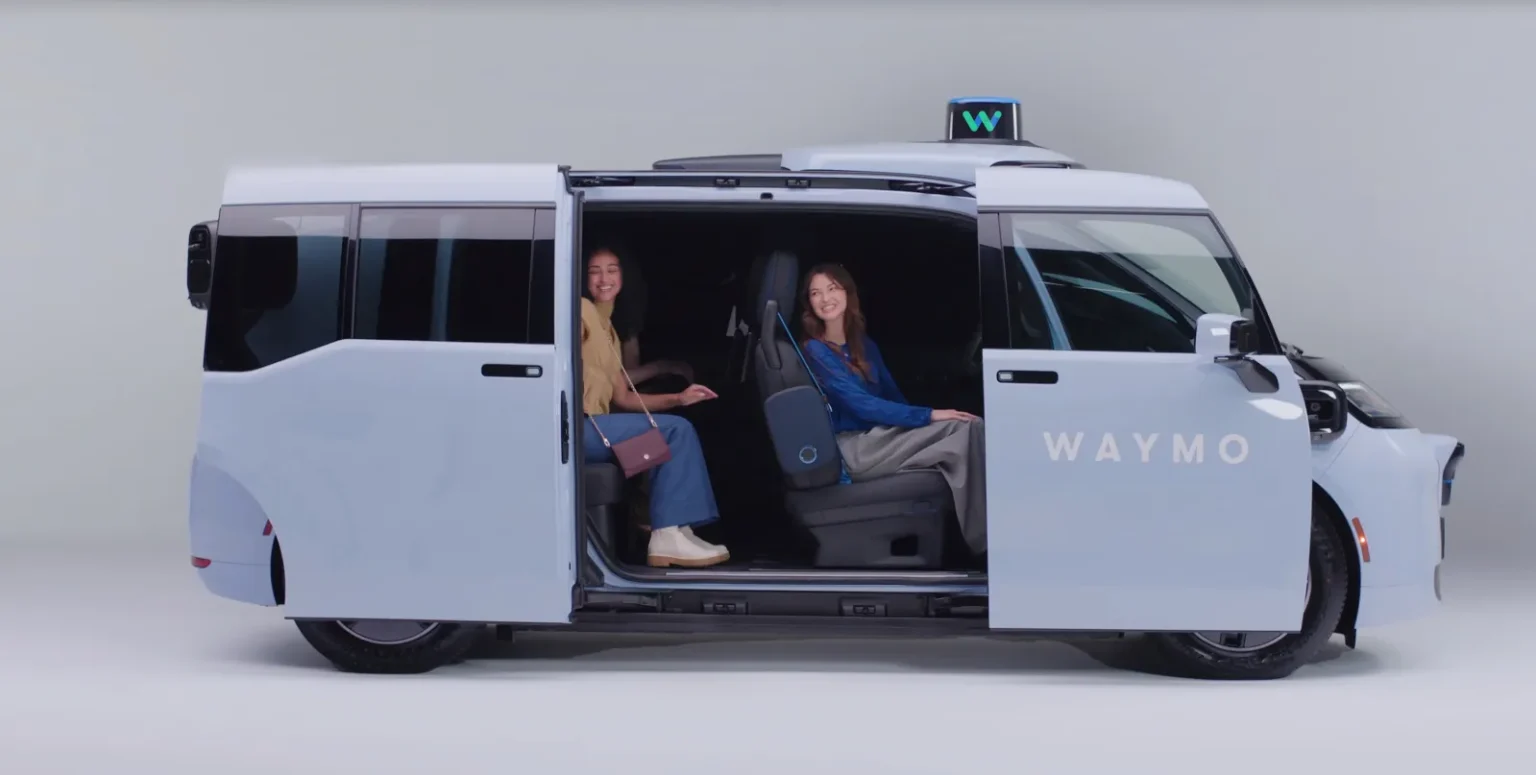
1. The Waymo Ojai robotaxi is Waymo’s first vehicle designed entirely around the passenger experience, built in partnership with Zeekr and assembled at Waymo’s Arizona factory.
- A New Chapter in Self-Driving Transportation
- Built from the Ground Up for Passengers, Not Retrofitted
- Accessibility Was Not an Afterthought
- The 6th-Generation Waymo Driver: Fewer Sensors, More Intelligence
- Scaling Up Production at the Arizona Factory
- Why the Waymo Ojai Robotaxi Matters Right Now
- What to Expect as Access Expands
- Expert’s Opinion
2. The new 6th-generation Waymo Driver cuts sensor count by 42 percent compared to the previous generation while expanding capability, including operations in snowy cities for the first time.
3. Rides in the Waymo Ojai robotaxi are currently free for select users across San Francisco, Los Angeles, and Phoenix, with plans to roll out to more cities soon.
4. Waymo has surpassed 20 million fully autonomous trips and now runs approximately 500,000 paid rides per week across 11 cities, a scale no competitor comes close to.
5. The Ojai features meaningful accessibility upgrades including a flat floor, low step-in height, braille markings, and grab bars, making autonomous rides genuinely usable for more people.
A New Chapter in Self-Driving Transportation
When I first heard that Waymo was rolling out a brand new purpose-built vehicle for its robotaxi service, I was curious but cautious. The autonomous vehicle space has seen many big promises over the years. But what Waymo just announced with the Waymo Ojai robotaxi is different, and the details are worth close attention.
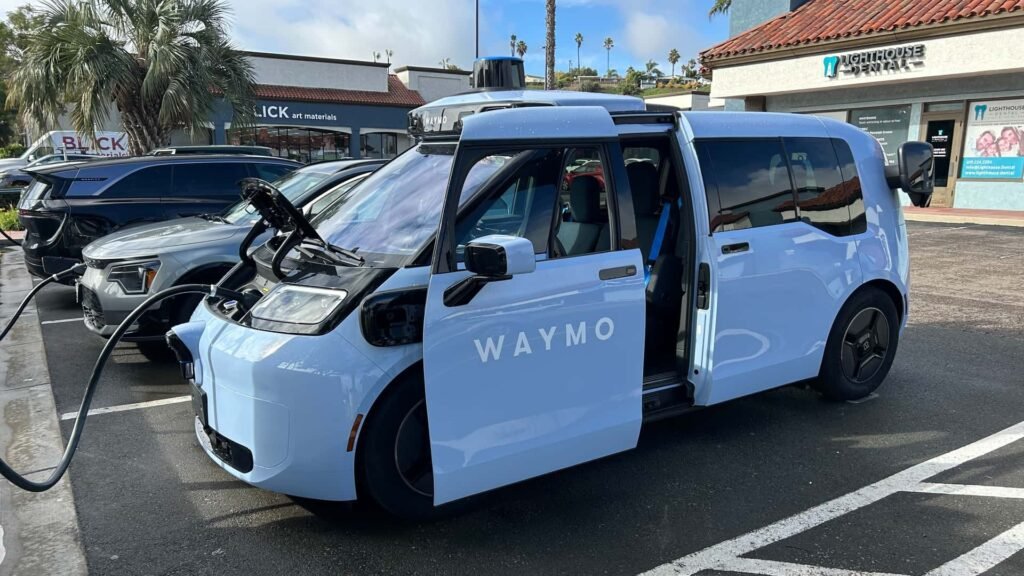
Waymo is now offering select riders trips inside the Ojai, its first vehicle built specifically as a robotaxi rather than a modified consumer car. Rides are free for now while the rollout begins in San Francisco, Los Angeles, and Phoenix. The vehicle runs on the company’s new 6th-generation Driver system, which is smarter, leaner, and more capable than anything Waymo has put on the road before.
Built from the Ground Up for Passengers, Not Retrofitted
One of the things that stands out immediately about the Waymo Ojai robotaxi is that it was designed with the rider in mind from day one. Most autonomous vehicles on the road today started life as regular consumer cars and were adapted with sensors and software. The Ojai went through a completely different process.
Made in partnership with Zeekr and then fitted with Waymo’s autonomous hardware at its Arizona manufacturing facility, the Ojai has a van-style cabin that genuinely feels spacious. There is plenty of legroom, three large adaptive screens for rear passengers, charging ports, and cup holders. These are the kinds of details that make a real difference when you are sitting in the back of a cab during a commute or a longer trip across the city.
From an operational standpoint, the Ojai also features easy-to-clean interiors, faster charging, increased battery capacity, and a modular design that makes maintenance more efficient. When you are running a fleet of thousands of vehicles, those details add up fast.
Accessibility Was Not an Afterthought
Something that genuinely impressed me about the Waymo Ojai robotaxi is how seriously Waymo took accessibility in its design. The vehicle has a flat floor and a low step-in height, which makes getting in and out much easier for people with mobility challenges. There are braille markings and grab bars throughout the cabin.
Waymo even shared images of a visually impaired rider with a white cane using the vehicle independently. That is not a small thing. For a lot of people with disabilities, traditional ride-hailing is already a challenge. A fully autonomous vehicle that is designed with their needs in mind from the beginning has the potential to be genuinely life-changing.
The 6th-Generation Waymo Driver: Fewer Sensors, More Intelligence
The real technical story here is under the hood of the Waymo Ojai robotaxi. The 6th-generation Waymo Driver hardware reduces the total sensor count by 42 percent compared to the previous generation. That means going from 29 cameras down to 13, from five lidars to four, and trimming the radar units as well. And yet the system is more capable, not less.
The hardware cost target sits under 20,000 dollars per unit. That is a meaningful number because it starts to make the per-ride economics of running an autonomous fleet look realistic at scale. Critics have long argued that Waymo’s hardware was too expensive to ever be commercially viable. That argument is getting harder to sustain.
Equally important, the 6th-generation system enables fully autonomous operations in cities that receive snow. That had been a real limitation for Waymo, which had historically kept its service to warmer markets. Now cities like Chicago are coming into scope, and Waymo has already confirmed it is laying the groundwork for an expansion there.
Scaling Up Production at the Arizona Factory
Waymo’s manufacturing facility in Arizona is now ramping toward a capacity of tens of thousands of units per year. The Ojai is first in line, followed by the Hyundai IONIQ 5. Earlier this year, Waymo raised 16 billion dollars at a valuation of 126 billion dollars, the largest single investment ever made in an autonomous vehicle company. That capital is going directly into production and expansion.
The scale Waymo is operating at right now is honestly hard to fully appreciate. The company covers over 1,400 square miles across 11 cities and runs about 500,000 paid rides every single week. It has completed more than 20 million fully autonomous trips in total. Geographic expansion continues aggressively, with several more US cities planned for this year plus international launches in London and Tokyo.
For context, Tesla currently has around 25 unsupervised robotaxis operating across three cities in Texas. Waymo has more than 3,000 vehicles on the road today and is building the infrastructure to produce tens of thousands more per year. That is not a small gap.
Why the Waymo Ojai Robotaxi Matters Right Now
What makes the Waymo Ojai robotaxi significant is not just any single feature. It is what the vehicle represents as a complete package. It is the first time a major autonomous vehicle company has built its own dedicated platform from scratch, optimized specifically for the ride-hailing experience rather than adapting something originally designed for personal ownership.
The combination of a purpose-built cabin, next-generation sensor hardware with a lower cost profile, expanded weather capability, and genuine accessibility features all arriving at once tells a clear story. Waymo is not running an experiment anymore. It is building a real business.
There have been hiccups along the way. Waymo recently had to pause service in some markets after its systems struggled to detect flooded road conditions. That is a real and fair criticism. But the overall trajectory is difficult to argue with. Twenty million trips, eleven cities, half a million rides per week, and now a purpose-built vehicle entering production at serious scale. The Waymo Ojai robotaxi feels less like a product launch and more like a line in the sand.
What to Expect as Access Expands
If you are in San Francisco, Los Angeles, or Phoenix and have access to Waymo One, you may already be able to book a ride in the Waymo Ojai robotaxi. Waymo says it will expand access gradually to more riders in the current markets before adding new cities.
Rides are free for now while the company introduces the new vehicle to its user base and collects early feedback. That is a smart way to build familiarity and trust with a vehicle that looks and feels noticeably different from the Jaguar I-PACE vehicles Waymo has been running until now.
Longer term, the Waymo Ojai robotaxi arriving in snowy cities like Chicago, and eventually internationally in London and Tokyo, will be a real test of how well the 6th-generation system performs across a wider range of conditions. Based on what Waymo has demonstrated so far, there is good reason to be optimistic.
Expert’s Opinion
The Waymo Ojai robotaxi is a meaningful step forward for autonomous transportation, not because it does something completely impossible, but because it does everything well at the same time. A thoughtfully designed cabin, smarter and cheaper hardware, accessibility built in from the start, and a manufacturing plan that can actually scale.
If you have been watching this space and wondering when it would stop feeling like a science project and start feeling like something real, the answer is starting to look like right now.

